
Why Marketers Need Project Management: A Blueprint for Success

Marketing and Project Management: The Perfect Pair
Marketing is often seen as a creative powerhouse for big ideas, storytelling, and brand building. But without structure, even the best campaigns can fall apart.
This is where Project Management (PM) meets Marketing.
By applying project management principles, marketers can:
✔ Stay organized and on schedule
✔ Manage resources effectively
✔ Reduce risks and unexpected challenges
✔ Deliver high-quality campaigns with measurable results
Let’s break down how project management can transform marketing success. 🚀

1. Stakeholder Management: Aligning Teams for Success
Marketing campaigns involve multiple stakeholders—internal teams, agencies, customers, executives, and vendors. Misalignment leads to delays and confusion.
How to apply Stakeholder Management in Marketing:
✅ Identify all stakeholders and their expectations early on.
✅ Maintain a RACI matrix (Responsible, Accountable, Consulted, Informed) to clarify roles.
✅ Regular check-ins ensure everyone stays aligned.
Example: A global product launch requires coordination between regional marketing teams, legal teams, and sales. Using stakeholder mapping ensures that approvals don’t delay execution.
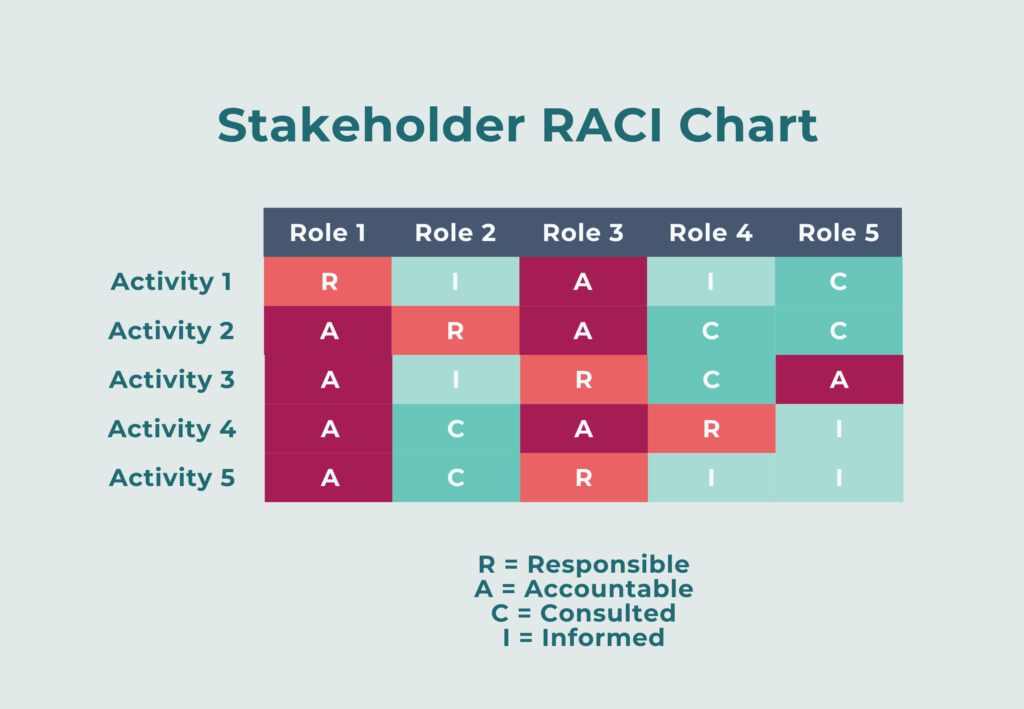
RACI Matric, Source: Simply Stakeholders
2. Scope, Time, and Cost Management: Keeping Marketing Campaigns on Track
Scope Management: Defining Deliverables Clearly
Uncontrolled expansion of a marketing campaign can lead to scope creep causing extra work, delays, and budget overruns.
🛠 Solution: Use a Project Scope Statement to define goals, deliverables, and limitations upfront.
Time Management: Meeting Deadlines Without Chaos
Missed deadlines = lost revenue.
🕒 Apply time management tools:
✔ Gantt charts to visualize timelines.
✔ Critical Path Method (CPM) to identify essential tasks.
✔ Time buffers to handle unexpected delays.
Cost Management: Staying Within Budget
Marketing budgets can spiral if not managed properly.
💰 Key cost management strategies:
✔ Use Earned Value Management (EVM) to track if the campaign is on budget and delivering expected results.
✔ Monitor Cost Performance Index (CPI) and Schedule Performance Index (SPI) for financial insights.
✔ Compare planned vs. actual spending to adjust resource allocation.
Example: A Super Bowl ad campaign requires upfront budget forecasting, but real-time monitoring via EVM ensures it stays cost-effective.
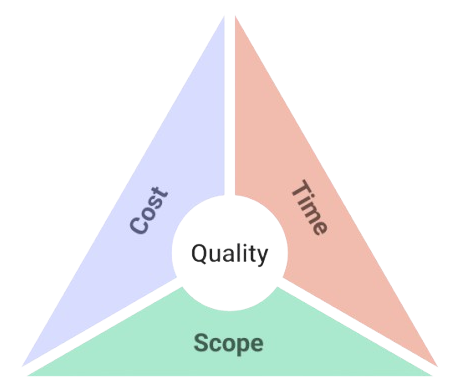
Project Management Triangle – Bordio
3. Risk Management: Preparing for the Unexpected
Marketing campaigns are full of uncertainties; changing consumer trends, regulatory issues, or PR crises. A risk management plan prevents disasters.
How to Implement Risk Management in Marketing:
🔹 Identify potential risks (e.g., low engagement, technical issues, budget overruns).
🔹 Assign risk probability and impact levels to prioritize them.
🔹 Develop mitigation plans to handle issues before they arise.
Example: A tech company launching a new product mitigates risk by creating crisis response plans for potential negative press.
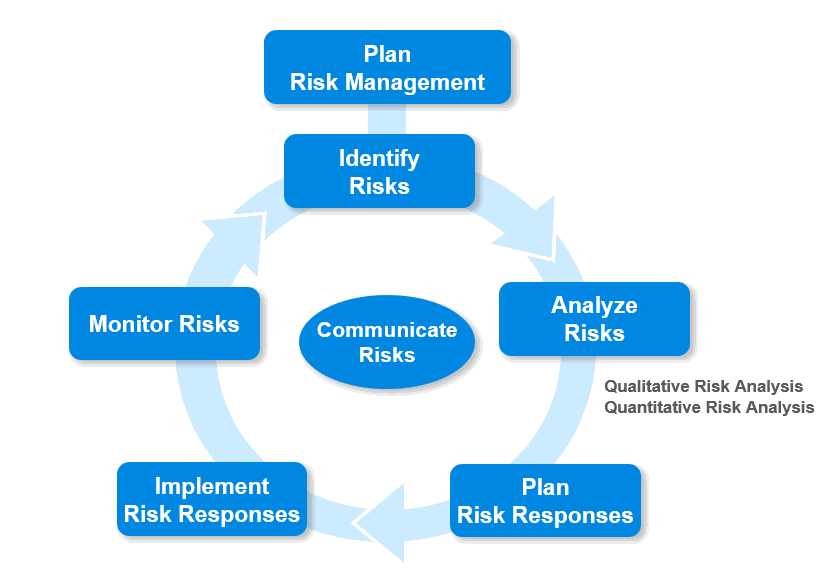
Project Risk Management – Roland Wanner
4. Quality Management: Ensuring Marketing Excellence
A poorly executed campaign can damage brand reputation. Quality control ensures consistency and effectiveness.
📏 How to ensure marketing quality:
✔ Use A/B testing for ad creatives.
✔ Implement a Quality Assurance (QA) checklist for campaign rollouts.
✔ Collect post-campaign feedback for continuous improvement.
Example: Email marketing campaigns undergo multiple testing rounds to ensure flawless execution and high engagement rates.
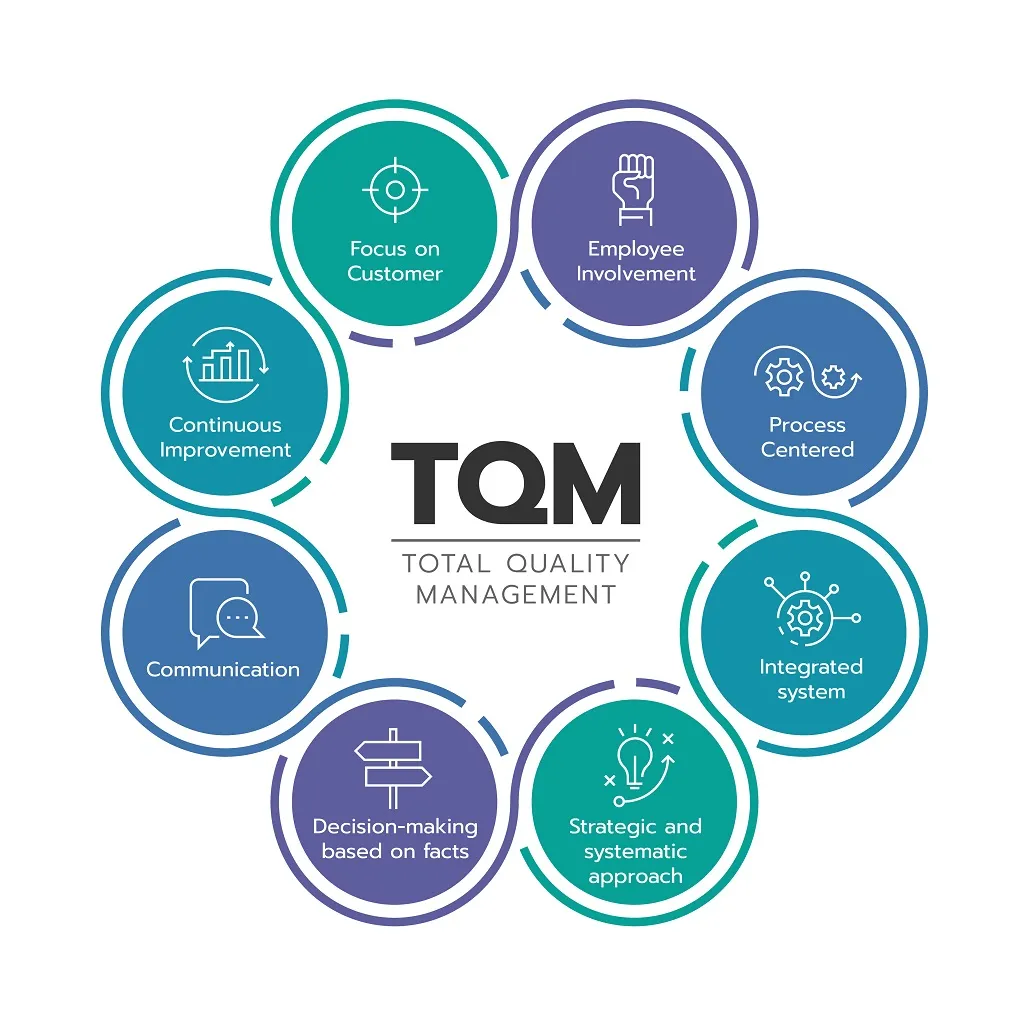
Total Quality Management (TQM) – CFI
5. Agile Marketing & Business Analysis: A Data-Driven Approach
Agile Marketing: Faster, Smarter, More Adaptive
Traditional marketing plans are rigid. Agile marketing uses short, iterative campaigns to adapt quickly.
🌀 Agile Principles for Marketing:
✔ Work in sprints to quickly test and improve.
✔ Prioritize tasks using Kanban boards.
✔ Use customer feedback loops to adjust strategies.
Example: Spotify’s growth marketing team continuously experiments with personalized user experiences in short cycles.
Business Analysis in Marketing: Making Data-Driven Decisions
Business analysis bridges strategy and execution by evaluating market trends, customer insights, and competitor actions.
🔍 Key frameworks:
✔ SWOT Analysis: Identify strengths, weaknesses, opportunities, threats.
✔ PESTLE Analysis: Understand macro-environmental factors affecting campaigns.
✔ Customer Journey Mapping: Optimize touchpoints for conversions.
Example: A retail brand uses PESTLE to analyze economic trends before launching new product lines.
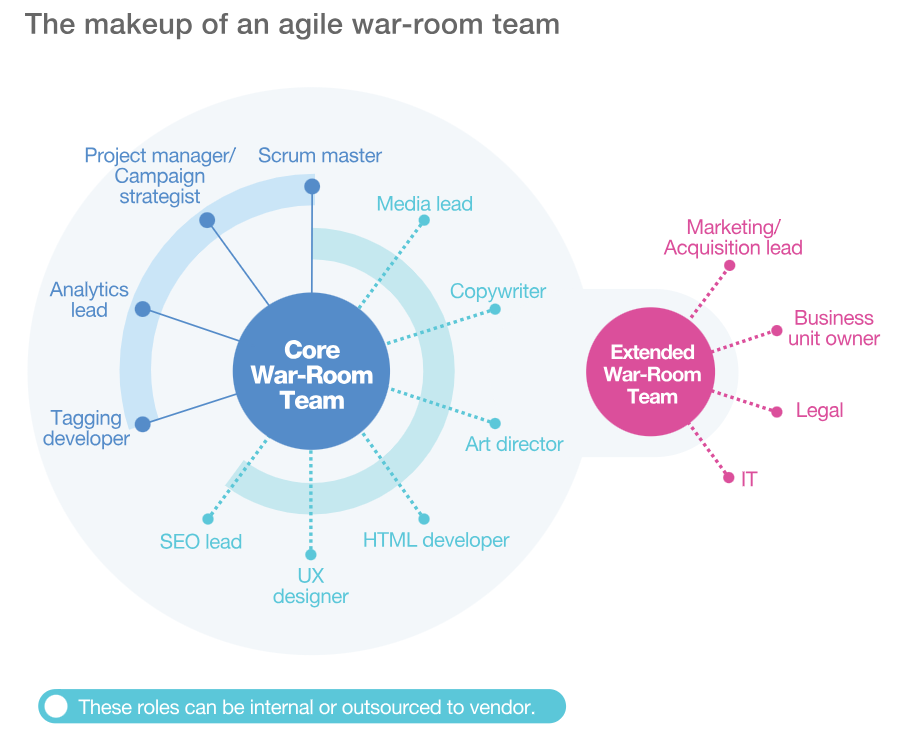
Agile marketing, Source: McKinsey
Final Thoughts: The Future of Marketing with Project Management
Marketing without structure is chaos. Combining marketing expertise with project management methodologies leads to:
✅ Efficient workflows
✅ Reduced risks
✅ Higher ROI campaigns
As marketing evolves, PM skills will be a competitive advantage. Ready to structure your marketing success?
📢 Let’s discuss: How do you incorporate project management in your marketing strategy?
Leave a Reply