
Louis Vuitton’s Silent Rebrand – The Logo Change You Didn’t Notice
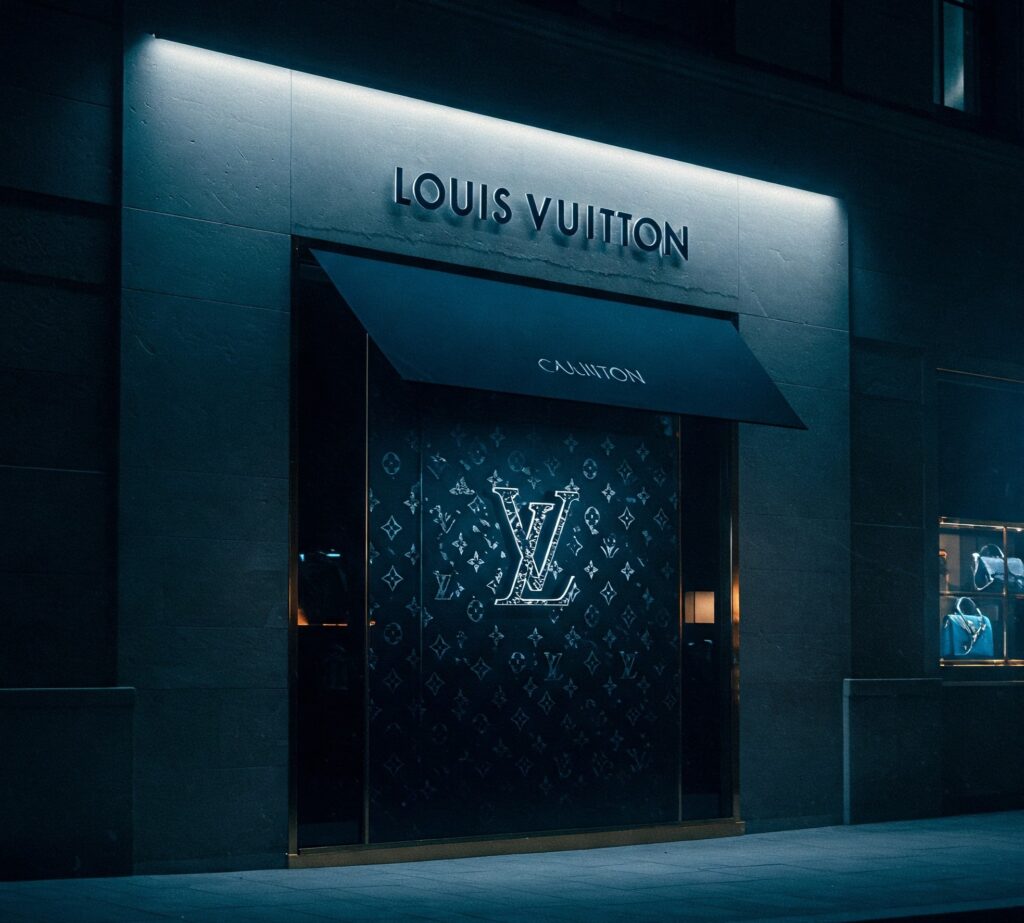
Luxury Isn’t Just What You See – It’s What You Feel
For decades, Louis Vuitton’s monogram screamed exclusivity. But lately… something changed. 👀
- The logo looks thinner.
- The colors feel muted.
- The branding? Subtler than ever.
No Flashy Announcement, No Press Release – Just a Silent Evolution
Why the Shift?
The world of luxury is evolving, and LV has adapted. Here’s why:
- Loud luxury is fading – The ultra-rich no longer want in-your-face logos.
- The “Quiet Luxury” movement – Minimalism is now the ultimate status symbol.
- Exclusivity isn’t about visibility, it’s about perception – Owning an LV piece is still a power move, just a more understated one.
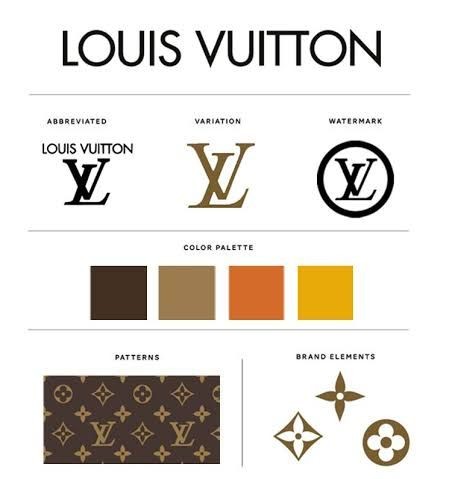
Louis Vuitton’s logo variations, brand elements and patterns
The Branding Shift: A New Era of Luxury
Louis Vuitton’s rebranding isn’t just a visual adjustment—it’s a strategic move reflecting cultural shifts. By toning down its aesthetic, the brand is signaling sophistication through restraint. This aligns with a clientele that values discretion over display. The new branding maintains exclusivity while embracing a modern, digital-first approach that appeals to younger luxury consumers.
This transformation extends beyond logos. LV is curating experiences that reinforce its understated elegance, from private shopping appointments to limited-edition collections that whisper luxury instead of shouting it. It’s branding that isn’t just seen—it’s felt.
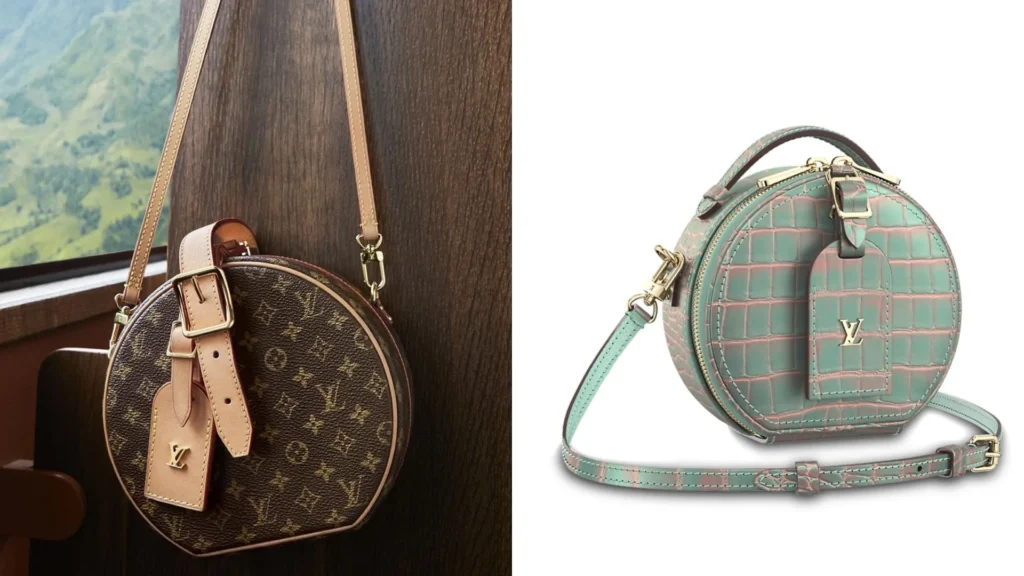
Image credit: Louis Vuitton
How Louis Vuitton Pulled Off a Subtle Yet Powerful Rebrand
Rather than making a grand announcement, LV let culture do the work. Here’s what changed:
✅ The monogram shrank in campaigns.
✅ Fonts got thinner, more elegant.
✅ Influencers styled low-key LV pieces (no bold logos).
✅ AI-generated textures modernized digital branding.
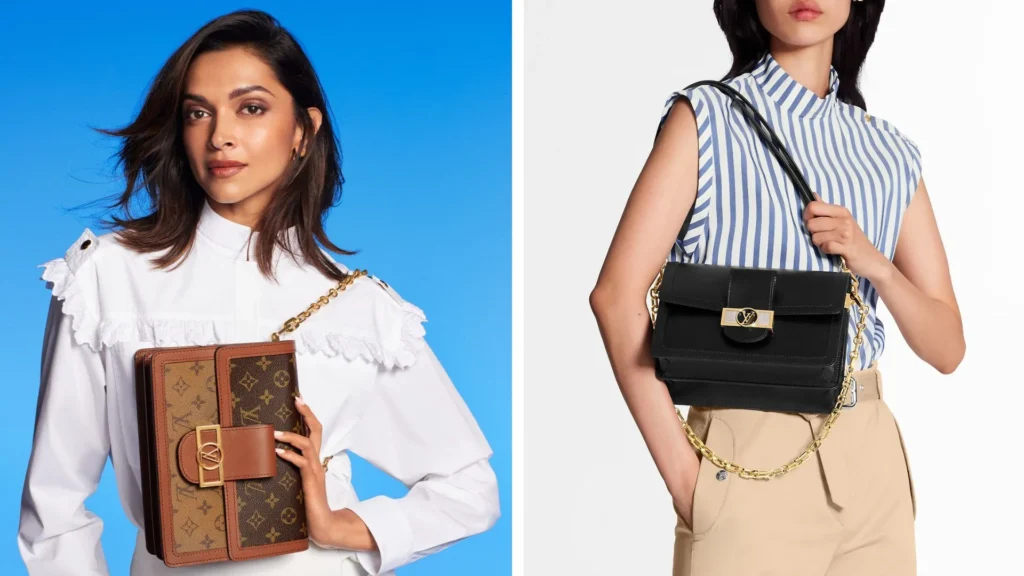
Image Credits: Louis Vuitton/ Instagram; Louis Vuitton
The New Face of Exclusivity
Exclusivity in luxury has always been about access, but now it’s about intangible prestige rather than overt displays of wealth. Owning an LV piece in 2024 is about subtle refinement—an appreciation of quality and craftsmanship rather than sheer visibility. The brand’s move reflects a consumer base that seeks status through personalized luxury experiences rather than logo-driven purchases.
This shift has influenced how luxury is marketed. Instead of billboard-style branding, LV now focuses on immersive storytelling, artistic collaborations, and curated digital experiences that deepen customer engagement while maintaining an air of mystique.
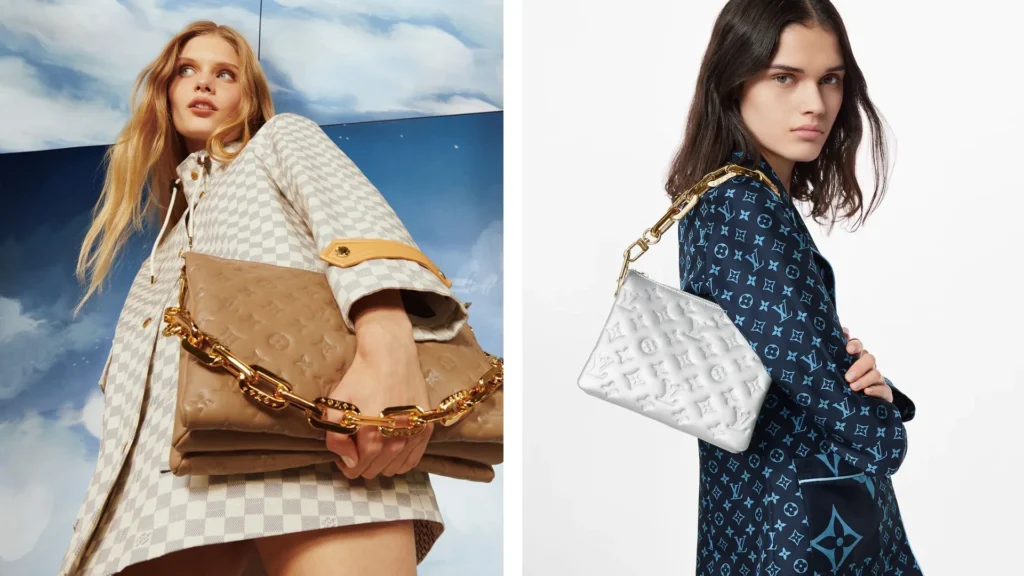
Image credit: Louis Vuitton
The Competitive Ripple Effect: Who’s Following Suit?
Louis Vuitton’s quiet rebrand hasn’t gone unnoticed. Other high-end brands are making similar shifts:
- Gucci has dialed down its maximalist aesthetic, leaning into a more refined identity.
- Balenciaga, once known for logo-heavy streetwear, is subtly repositioning itself towards luxury minimalism.
- Rolex has always embraced discretion in its branding—now other watchmakers are mirroring this approach.
The takeaway? Luxury brands are realizing that the most powerful branding doesn’t need to be loud—it needs to be intentional.
The Big Question: Is Heritage Too Sacred to Touch?
Would you tweak a legendary brand to align with cultural shifts? Or should iconic branding stay untouched?
💬 Drop your thoughts in the comments! 🚀
Leave a Reply